As construction, landscaping, moving, equipment rentals, and DIY home projects continue to grow, so does the demand for affordable trailer rentals. The best part? Once you purchase your trailers, each rental can generate revenue from the same asset over and over again.
Why Trailer Rentals Are Growing
Not everyone needs to own a trailer. Many people only need one for a specific project or season. Renting is often much more affordable than buying for occasional use, which creates a steady stream of customers.
- Moving furniture
- Hauling landscaping materials
- Transporting a vehicle
- Moving equipment
- Weekend projects
- Home renovations
- Small business jobs
- ATV and UTV transport
As more homeowners and small businesses choose to rent instead of buy, the trailer rental market continues to expand across the country.
Step 1: Choose Your Trailer Niche
You don't have to own every type of trailer. Many successful rental businesses start with just one or two trailer types and expand as demand grows.
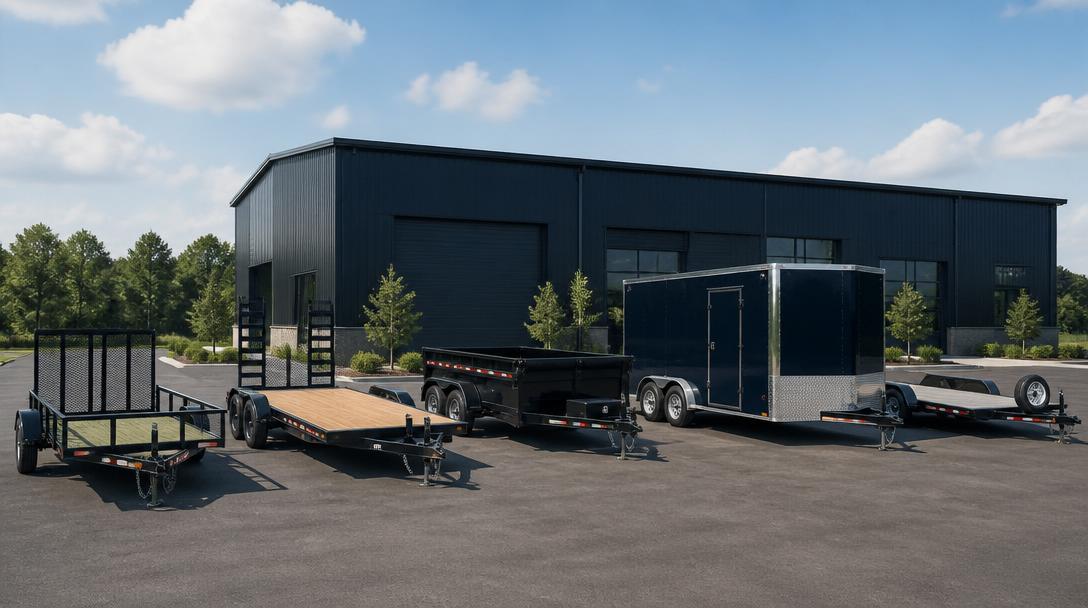
- Utility trailers
- Equipment trailers
- Car haulers
- Dump trailers
- Enclosed cargo trailers
- Gooseneck trailers
Starting with a focused niche lets you learn your market, refine your operations, and reinvest profits before expanding your fleet.
Step 2: Form Your Business
Operate like a professional from day one. Proper business formation protects your personal assets and builds credibility with customers.
Business Setup Checklist
- Form an LLC
- Obtain an EIN
- Open a business bank account
- Purchase commercial insurance
- Create rental agreements
- Develop inspection checklists
Professional systems help protect both you and your customers, and they make financing and insurance easier to obtain.
Step 3: Buy the Right Trailers
Think carefully about your local market before buying. The right trailers are more important than the most trailers.
Market Research Questions
- What industries are growing?
- What types of trailers are difficult to find?
- What do contractors need?
- What do homeowners rent most often?
Talk to local contractors, landscapers, and moving companies. Their feedback will tell you which trailers are in highest demand.
Step 4: Finance Your Fleet
One of the biggest advantages of trailer rentals is that you don't necessarily have to buy every trailer with cash. Financing allows you to build a fleet while preserving cash for operations and growth.
Financing Preserves Cash For
- Marketing
- Insurance
- Maintenance
- Business operations
- Future expansion
Pro tip:
As rental income grows, reinvest in additional trailers. A single trailer can pay for itself many times over during its useful life.
Step 5: Create Rental Policies
Clear policies protect your business and create a professional customer experience. Put every policy in writing and review it with each customer.
- Daily rental rates
- Weekly discounts
- Monthly pricing
- Security deposits
- Late-return fees
- Cleaning fees
- Damage policies
- Insurance requirements
- Driver identification requirements
Consistency helps prevent disputes and makes your operation easier to scale as you add more trailers and customers.
Step 6: Market Your Business
Customers need to know you exist. A mix of online and local marketing can generate leads around the clock.
- Google Business Profile
- Facebook Marketplace (where permitted)
- Facebook Ads
- Local SEO
- Your website
- Yard signs
- Local contractors
- Equipment rental companies
- Moving companies
A well-optimized website can generate leads 24 hours a day. Combine local SEO with partnerships from contractors and equipment rental companies to build a steady referral stream.
Step 7: Focus on Recurring Revenue
The goal isn't to rent a trailer once. The goal is to create repeat customers who rent multiple times each year.
Repeat Customers May Include
- Landscapers
- Contractors
- Electricians
- Plumbers
- HVAC companies
- Property managers
- Farmers
- Small businesses
Build relationships with local businesses. Contractors, landscapers, and property managers often need trailers on short notice and can become your most reliable customers.
Step 8: Scale Your Fleet
Many rental businesses start small and grow steadily. Each additional trailer creates another opportunity to generate rental income.
One trailer
Stage 1
Three trailers
Stage 2
Five trailers
Stage 3
Ten trailers
Stage 4
Twenty+ trailers
Stage 5
Reinvest rental income into additional trailers rather than taking all the profit out early. Compound growth is one of the most powerful advantages of the rental model.
How Much Can You Charge?
Rental rates vary depending on trailer type, size, local demand, features, and market competition. Research local pricing before setting your rates.
Pricing Factors
- Trailer type
- Size
- Local demand
- Features
- Market competition
- Seasonality
Offer daily, weekly, and monthly rates to attract different types of renters. Discounts for longer rentals encourage customers to keep trailers out longer and reduce turnover labor.
Frequently Asked Questions
Is a trailer rental business profitable?
It can be. Profitability depends on factors such as trailer utilization, pricing, financing costs, maintenance expenses, insurance, and local demand. A well-run rental business can produce strong recurring returns.
Can I start with one trailer?
Absolutely. Many successful rental businesses begin with a single trailer and reinvest profits to expand their fleet over time.
What type of trailer should I buy first?
That depends on your local market. Equipment trailers, utility trailers, dump trailers, and enclosed cargo trailers are among the most commonly rented options in many areas.
Final Thoughts
A trailer rental business offers an opportunity to build recurring income with assets that can generate revenue again and again. By choosing the right trailers, serving your local market, and delivering excellent customer service, you can create a business with long-term growth potential.
Whether your goal is a side hustle with one trailer or a regional rental fleet, starting with a solid business plan and reliable equipment is the key to success.
Finance the Trailers You Need to Grow
At WeFinanceTrailers.com, we help entrepreneurs and business owners explore financing options for:
- Utility trailers
- Equipment trailers
- Dump trailers
- Enclosed trailers
- Car haulers
- Gooseneck trailers
- Flatbed trailers
- Tilt trailers
Whether you're purchasing your first rental trailer or expanding your fleet, we're here to help you explore financing solutions that fit your business goals.
Apply today