The State of Trailer Financing in America
A national look at borrower demand, average ticket sizes, credit mix, and where trailer financing is heading over the next 24 months.
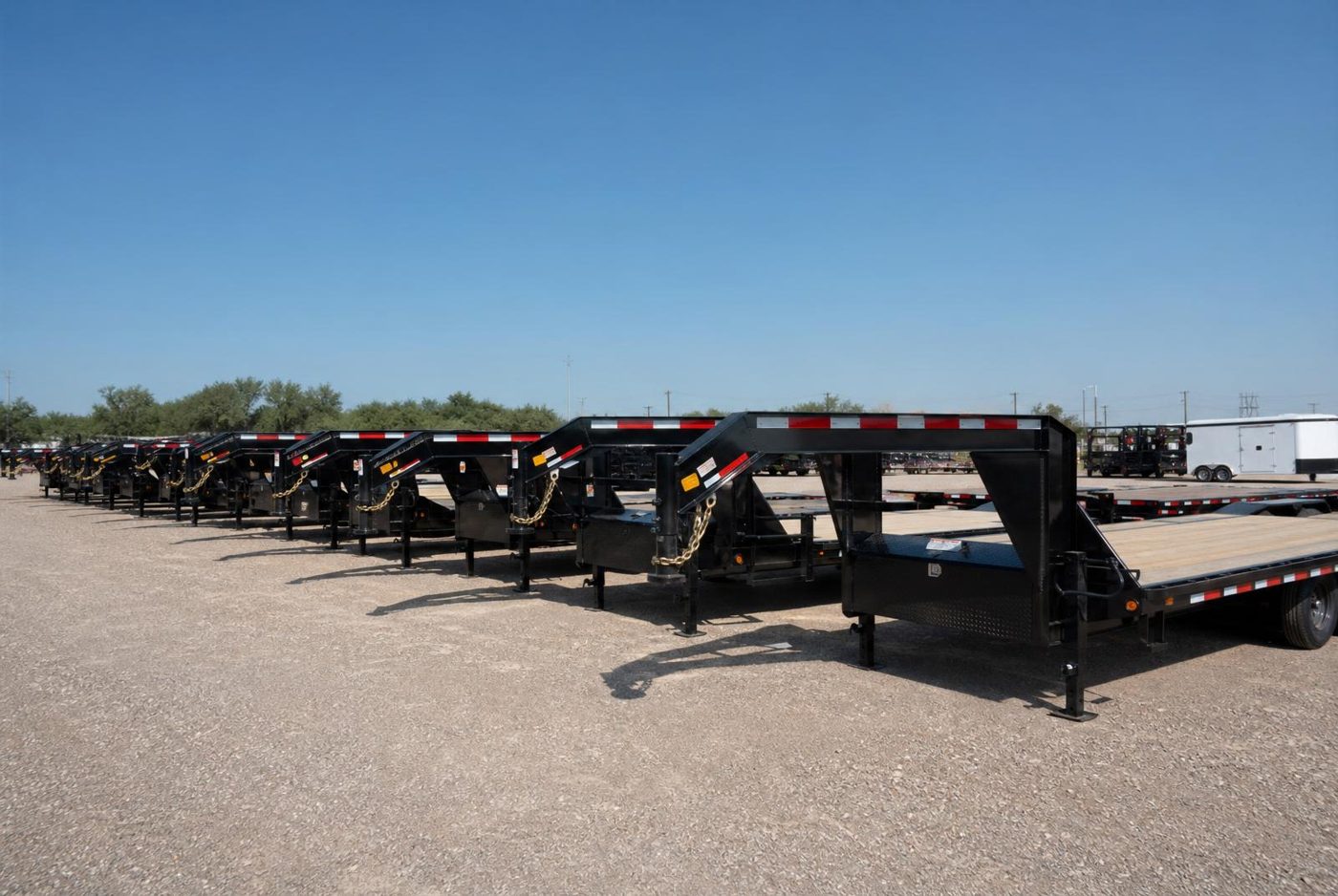
A fragmented, under-served $30B+ market
Trailer financing sits inside the broader U.S. equipment finance market — an industry that funds well over a trillion dollars of equipment each year — but the trailer segment itself has historically been treated as an afterthought. Most national banks focus on trucks, construction equipment, and medical assets, leaving trailers scattered across a patchwork of specialty equipment finance companies, regional banks, credit unions, and a handful of manufacturer captives.
That fragmentation is the opportunity. Small-business trailer buyers — landscapers, contractors, hotshot truckers, farmers, food-truck operators — routinely tell us they applied to three or four lenders before finding one that would actually fund the deal. When applicants get bounced between lenders, everyone loses: the borrower stalls their business, the dealer loses a sale, and the lender misses a fundable file that ended up somewhere else.
Who is actually buying trailers in 2026
The typical WeFinanceTrailers.com applicant is a working small-business owner buying a trailer as a revenue-producing tool, not a hobbyist. Roughly two-thirds of applicants are business-purpose buyers — sole proprietors, LLCs, and small S-corps — and the remaining third are consumer buyers financing horse trailers, toy haulers, and utility trailers for personal use.
Credit mix skews wider than most lenders assume. A meaningful share of applicants have prime credit (700+ FICO) with established businesses and clean bank statements. An even larger share are near-prime and startup borrowers — under two years in business, 640–699 FICO — who cannot get funded by prime-only programs but represent excellent risk when underwritten with three months of bank statements and a personal guarantee.
Ticket sizes cluster in three bands: $8k–$20k for utility, dump, and landscape trailers; $20k–$45k for gooseneck, car hauler, and enclosed cargo units; and $45k–$120k+ for commercial-grade goosenecks, deckovers, and specialty units. The middle band is the fastest-growing segment we see.
Where demand is concentrated
Texas, Florida, Georgia, North Carolina, Tennessee, and California generate the plurality of applications — a mix of strong construction economies, agricultural bases, and warm-weather trailer usage. But demand is genuinely nationwide: every state in the union produces applications every month, and Midwestern and Mountain West states punch above their population weight for agricultural and equipment trailers.
Private-seller purchases (Facebook Marketplace, Craigslist, farm auctions) now account for a fast-growing slice of applications. These deals require lenders with a private-party program, third-party inspection standards, and comfort funding non-dealer transactions — a workflow that historically only a handful of specialty lenders supported.
The next 24 months
Three forces are reshaping the trailer financing market. First, digital origination: applicants expect a single online form, a same-day soft-pull decision, and DocuSign closings. Second, specialization: generalist equipment lenders are losing ground to programs purpose-built for trailer buyers, with pre-approved manufacturer lists and streamlined title/lien workflows. Third, embedded lending at the point of sale — with dealers and marketplaces pushing to surface a financing option on the product page, not on a follow-up phone call.
For lending partners, the practical takeaway is straightforward: trailer financing is now a large enough vertical to justify a dedicated program, and the platforms that route applicants intelligently — by segment, credit tier, geography, and program fit — will originate the majority of the fundable flow.
How lenders participate
WeFinanceTrailers.com routes each applicant to the lender whose program actually fits: prime business, startup business, consumer prime, subprime, or private-party. Rather than blasting every application to every partner, we match by state, credit range, business tenure, trailer type, and seller type — which is why our partners report higher fund-through rates than typical lead sources.
If your institution finances trailer purchases and you'd like to be part of that routing, our partnerships team is happy to walk through your program's fit.