Trailer Financing Market Trends
Seasonality, regional demand, trailer-type mix, and pricing pressure — the data points lenders should be watching this year.
Seasonality is real — and lenders should staff for it
Trailer financing has a clear seasonal shape. Application volume typically climbs steadily from February through June as landscapers, contractors, and farmers prepare for the working season, peaks in early summer, plateaus through August, and then softens through late fall and winter — with a small secondary lift in November and December as buyers pull purchases forward for year-end tax reasons (Section 179 and bonus depreciation drive December strongly on business-purpose deals).
Lenders that staff their credit and funding teams flat across the year underperform lenders that flex up in Q2 and Q4. On a routing platform like ours, this seasonal shape is visible in real time and lenders can tune their credit box and pricing to attract more or less volume as it suits their portfolio.
Regional concentration — and the states punching above their weight
Six states consistently generate the plurality of trailer financing demand: Texas, Florida, Georgia, North Carolina, Tennessee, and California. The drivers are a mix of construction activity, agricultural bases, and warm-weather usage patterns. But regional demand is more distributed than most lenders assume. Midwestern states (Ohio, Indiana, Missouri, Iowa) punch above their population weight on agricultural and equipment trailers. Mountain West states (Colorado, Idaho, Utah) do the same on horse trailers, gooseneck flatbeds, and construction units.
A lender licensed nationally will see meaningful monthly volume from every state. A lender restricted to a handful of states should target the top-six market or a strong secondary state where they already have a distribution advantage.
Trailer-type mix is shifting
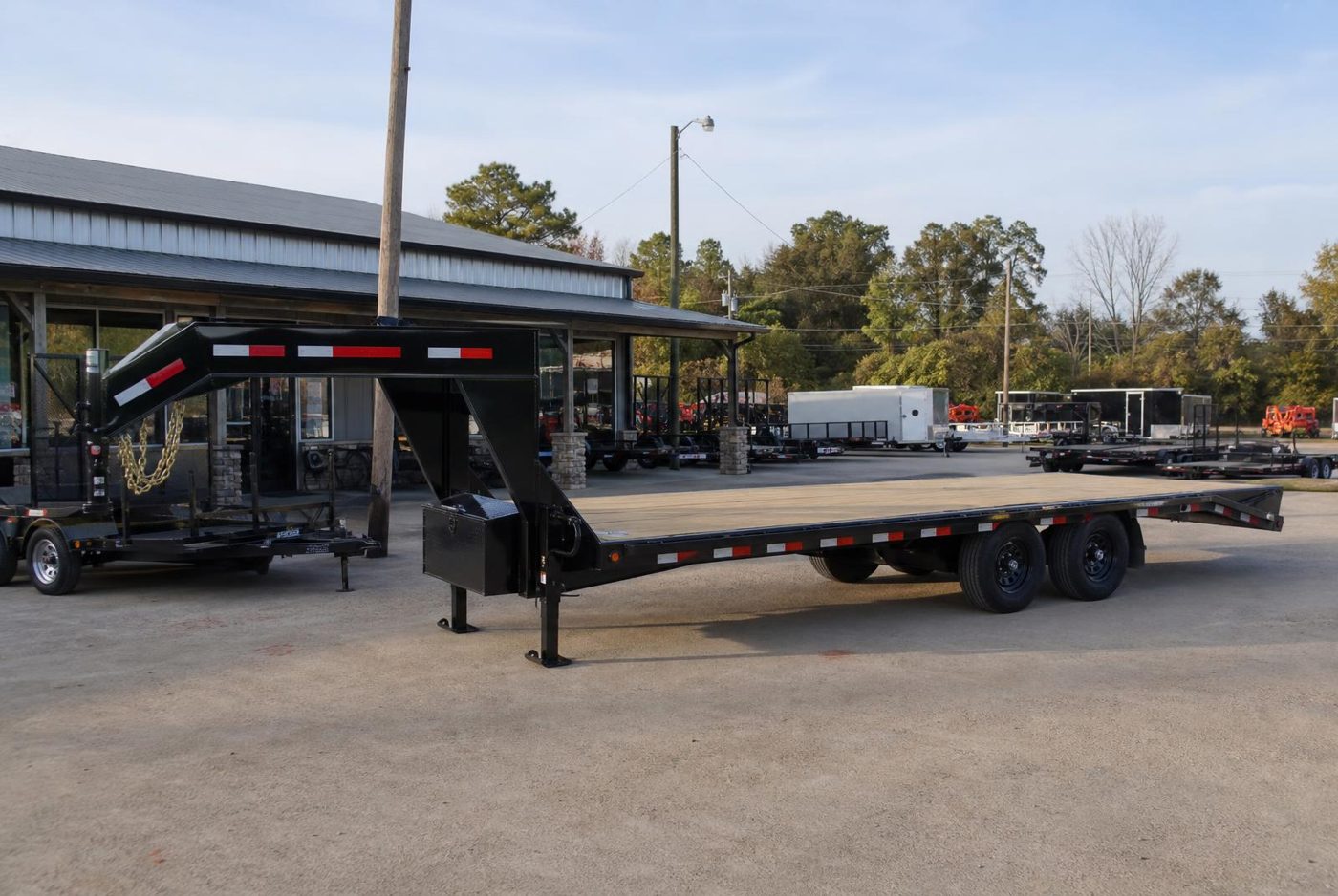
The single fastest-growing trailer-type segment in our application data is the mid-price commercial band: dump trailers ($15k–$25k), gooseneck flatbeds ($20k–$45k), and enclosed cargo units ($10k–$30k). These are working-tool purchases for small businesses, and they are less rate-sensitive than recreational trailers because the buyer is amortizing the payment against revenue.
Horse and livestock trailers remain a steady niche — consumer prime credit, longer terms, higher average ticket. Utility trailers under $10,000 remain the highest-volume category by unit but the lowest by dollar. Specialty units (car haulers, toy haulers, custom builds) are a smaller but higher-margin slice.
Rate environment and pricing pressure
Effective borrowing costs for trailer buyers have climbed with the broader rate environment over the last two years, and applicants notice. Rate-shopping across three or four lenders is now standard, which puts pressure on lenders to pre-approve fast (same-day soft-pull decisions) and to lock in approvals before the borrower moves on. Lenders with modern, minutes-not-days workflows are winning share regardless of headline rate.
That said, pricing power still exists in the near-prime and startup segments where fewer lenders play. Programs willing to underwrite startups on three months of bank statements can command 200–400 bps more than prime commercial paper on the same collateral.
The 12-month outlook
We expect continued strength in business-purpose trailer demand as small-business formation stays elevated and trades industries remain labor-short. Private-party volume will continue climbing at the expense of dealer volume as marketplaces mature. And embedded lending — surfacing a financing option on dealer product pages and marketplace listings — will accelerate, favoring lenders with real API integrations over those still requiring branch visits or paper apps.