Understanding Private Seller Trailer Financing
Private-party trailer sales are exploding on Facebook Marketplace and Craigslist. Here's how lenders can safely finance them.
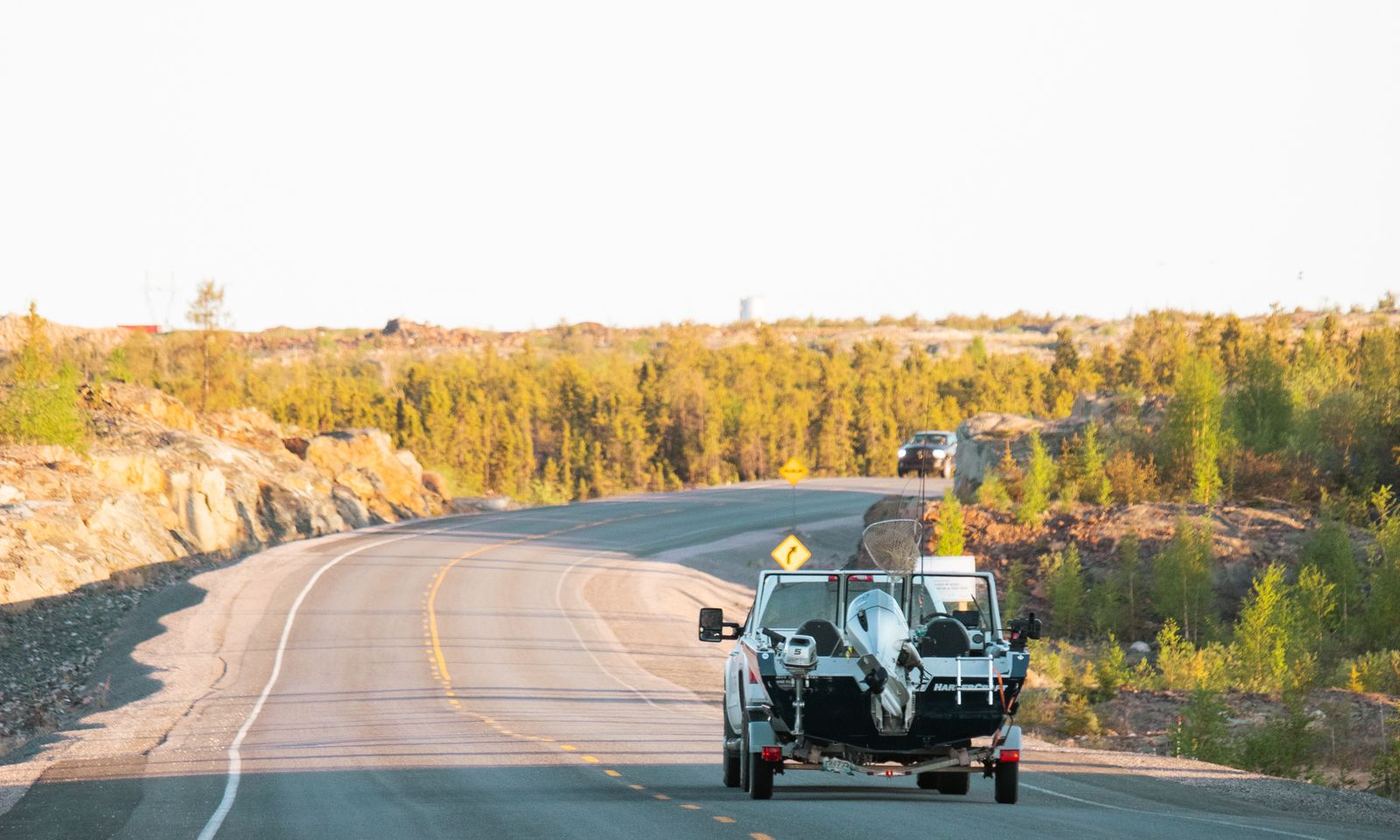
Private-party is now a major slice of trailer demand
Facebook Marketplace, Craigslist, farm auctions, and word-of-mouth deals now account for a fast-growing share of trailer purchases in the United States. Buyers gravitate to private-party for one simple reason: pricing. A three-year-old gooseneck that lists at a dealer for $32,000 will often sell privately for $24,000. On utility and dump trailers the discount is even sharper.
For lenders, this has historically been the hardest slice of the market to fund. Dealers provide title, MSO, and lien perfection almost automatically. Private-party deals require the lender — or the platform routing the deal — to handle those steps directly. Most national equipment finance companies simply won't touch a private-party transaction, which leaves the field wide open for specialty lenders willing to build the workflow.
What makes private-party risk different
The credit risk on a private-party trailer loan is not meaningfully different from a dealer-originated loan — the borrower is the same borrower either way. What's different is the collateral and transaction risk: verifying the trailer actually exists and is roadworthy, confirming the seller is the true title holder, ensuring the payoff of any existing lien, and perfecting the lender's own lien on the new title.
A well-designed private-party program addresses each of these directly. Third-party inspections (photos, VIN verification, mileage/hours where applicable) confirm the asset. A title search on the seller's title confirms ownership and any existing lien. Funds are wired to the payoff lienholder first, with any residual going to the seller, and DMV lien-perfection paperwork is filed the same day.
The workflow that makes private-party fundable at scale
The lenders originating meaningful private-party volume today use a repeatable workflow: (1) applicant submits with the private-seller flag on the intake form; (2) borrower is underwritten on standard credit and income criteria; (3) collateral is verified via a structured inspection packet — photos of all four sides, VIN plate, tires, coupler, and floor; (4) title work is opened in parallel to underwriting, not after; (5) funds are disbursed via bill-pay or wire directly to the seller (and payoff lienholder if applicable), with the buyer signing purchase documents that include a bill of sale, odometer/hours statement, and lender-name-on-title instruction.
This workflow is not exotic — every step already exists in auto and powersports private-party lending — but it needs to be built intentionally. Bolting private-party onto a dealer-only program produces stipulations the borrower cannot satisfy and deals that die in funding.
Why WeFinanceTrailers.com routes private-party applicants separately
Our intake form asks whether the buyer has already identified a trailer and, if so, whether it's from a dealer or a private seller. Private-seller applicants are routed only to lending partners that have an active private-party program. This eliminates the wasted effort of sending a private-party file to a dealer-only lender, and it means the applicant hears a real answer — approval or decline — from a program that can actually fund the deal.
For lending partners with a private-party program, this segmentation is one of the reasons fund-through rates on our private-party flow tend to be substantially higher than open-market lead volume.